
How to Use Upselling and Cross-Selling to Increase Customer LTV
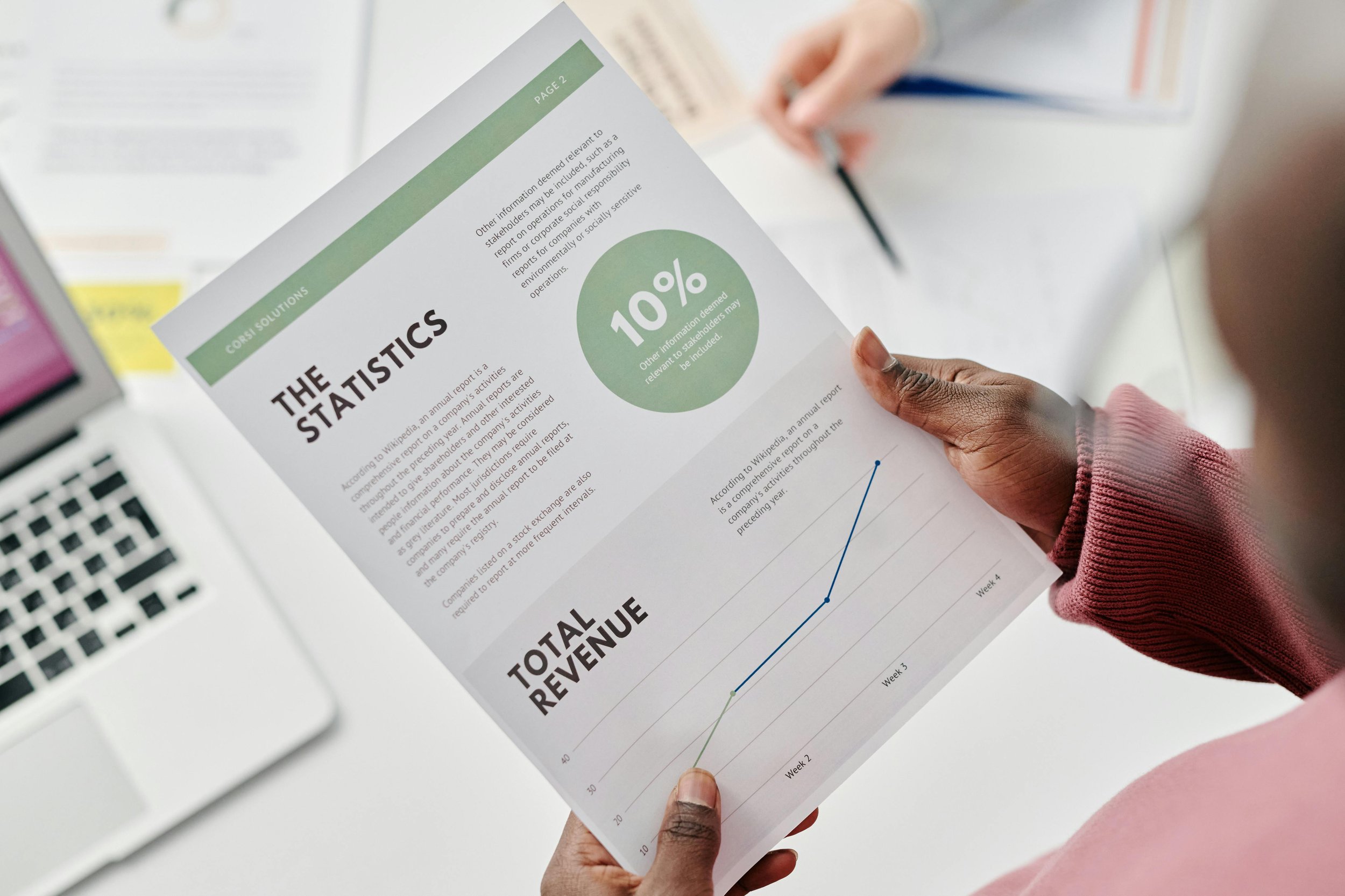
Retention Starts with Expansion
Winning new customers is expensive. Increasing customer lifetime value (LTV) through upselling and cross-selling is one of the most effective ways to grow sustainably.
By leveraging data to understand customer needs and predict timing, marketers can recommend the right product or service at exactly the right moment.
See how this connects to increase LTV through upselling and cross-selling.
The Difference Between Upselling and Cross-Selling
Upselling: Encouraging customers to purchase a higher-tier or upgraded version of a product.
Cross-selling: Suggesting complementary products that enhance the initial purchase.
When paired with first-party data and predictive analytics, both can drive significant improvements in LTV and retention.
Learn how data infrastructure supports these tactics through first-party data activation.
Step 1: Identify High-Value Customer Segments
Start by segmenting customers based on behavior and purchase history:
Repeat buyers vs. one-time purchasers
Average order value and frequency
Product affinity (what items are purchased together)
Use this insight to prioritize audiences most likely to engage with upsell or cross-sell offers.
See how to refine segments through audience segmentation.
Step 2: Use Predictive Analytics to Anticipate Timing
Predictive models can identify when customers are most likely to buy again or upgrade.
For example:
Subscription renewal approaching? Send an early renewal offer.
Seasonal shopper returning? Recommend related products or bundles.
This timing precision turns offers from intrusive to helpful.
Explore predictive modeling strategies in data science for marketing impact.
Step 3: Personalize Recommendations
Generic product recommendations rarely convert.
Use customer behavior and purchase data to tailor offers by:
Category affinity (e.g., “frequently bought together”)
Past upgrades (e.g., “customers who upgraded to premium saved X%”)
Lifecycle stage (e.g., “ready for your next purchase?”)
Automation tools and Dynamic Creative Optimization (DCO) can personalize messaging and visuals at scale.
Learn how this works in dynamic creative optimization.
Step 4: Align Upsell and Cross-Sell Goals with Retention
Upselling isn’t about pushing more — it’s about delivering more value.
Ensure offers enhance the customer experience, not disrupt it.
Measure success through retention and satisfaction metrics, not just conversion rate.
Step 5: Visualize and Optimize Performance
Track KPIs like:
Incremental revenue per customer
Average order value (AOV) lift
Churn rate reduction among cross-sold customers
Use analytics dashboards to monitor these trends and adjust strategies quickly.
See how to visualize results in data visualization and reporting.
Final Thoughts
Upselling and cross-selling aren’t short-term sales tactics — they’re long-term growth drivers.
By combining first-party data, predictive analytics, and personalization, marketers can build strategies that increase lifetime value while improving customer satisfaction.
Discover how RBG Analytics helps brands scale retention and revenue through increase LTV through upselling and cross-selling.