
How to Optimize Content for AI Search and Google AI Overviews
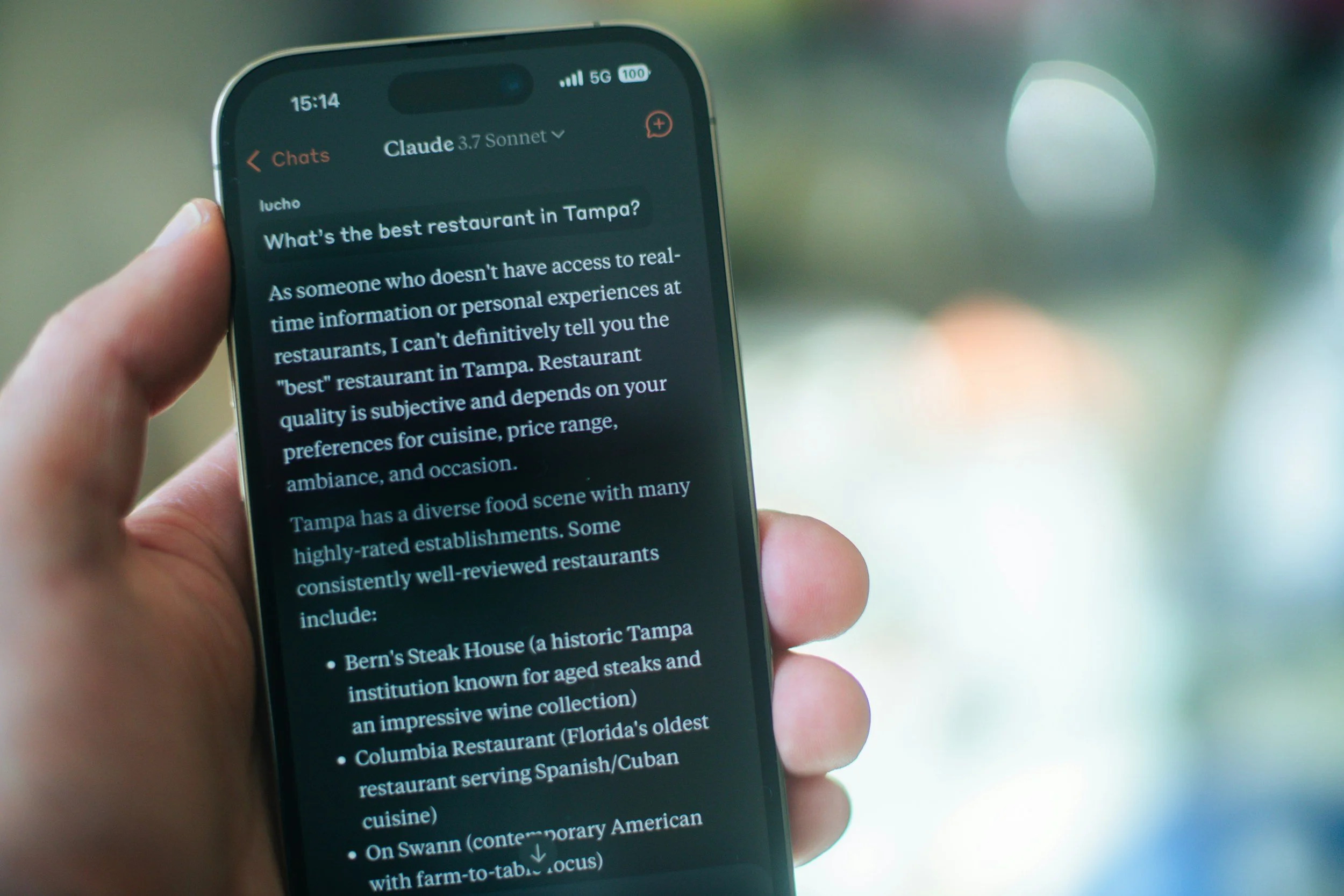
Search engines are no longer just indexing content. They are interpreting it and generating answers.
AI-powered search experiences like Google AI Overviews are changing how users discover information, making it critical for content to be optimized for both search engines and AI systems.
How AI Search Works
AI search engines:
Analyze multiple sources
Extract key insights
Generate summarized answers
Your goal is to be one of the sources used in those answers.
What Makes Content AI-Friendly
Clear, Direct Answers
Content should answer questions immediately.
Structured Formatting
Use headings, lists, and concise paragraphs.
Authority Signals
Content must demonstrate expertise and trust.
Optimization Strategies
Use Question-Based Headings
Align content with real user queries.
Provide Immediate Answers
Start sections with clear responses.
Add Supporting Context
Expand answers with relevant detail.
These strategies are often implemented through structured SEO and AEO services.
Why Strategy Matters
Optimizing for AI search requires more than content creation. It requires:
Technical SEO
Content architecture
Internal linking
A strong foundation in modern search strategy ensures long-term performance.
Measuring Performance
Track:
Impressions
Engagement
Visibility in search
Use tools like Google Analytics 4 to monitor results.
Supporting Infrastructure
A connected data ecosystem ensures insights are actionable. Platforms within your technology framework help unify performance data.
Common Mistakes
Unstructured content
Ignoring intent
Over-reliance on keywords
Final Thoughts
AI search rewards clarity, structure, and authority. Businesses that adapt will gain a significant advantage.
Ready to Improve Your AI Search Visibility?
Optimizing for AI search requires more than just writing content. It requires a structured strategy that aligns technical SEO, content architecture, and user intent.
At RBG Analytics, we help brands design and execute strategies that perform across both traditional search and AI-driven experiences.